

In the world of agriculture, the idea that some plants can thrive better when grown in proximity is not just folklore; it is a science-backed practice known as companion planting. This time-honored technique has been used for centuries across cultures and regions, promoting healthier plants and more productive gardens.
Fermentation is one of the oldest food preservation methods known to humanity, a process that transforms simple ingredients into complex and flavorful foods. Among the countless examples of fermentation, two standout products are kimchi and soy sauce—each deeply rooted in their respective cultures and culinary traditions.
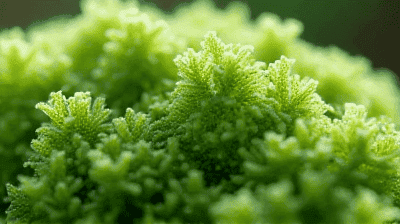
In the quest for sustainable nutrition, the exploration of unconventional food sources has gained momentum. Among these, algae stands out as a nutritional powerhouse that could revolutionize our diets and contribute significantly to global food security.

As the global population continues to grow and the demand for food increases, the challenges facing modern agriculture have become more pronounced. One of the most significant issues is soil erosion, which can lead to reduced agricultural productivity, loss of arable land, and adverse environmental impacts.

In recent years, the term "ultra processed foods" has entered the mainstream conversation about diet and health. As food scientists, nutritionists, and public health experts continue to investigate the effects of these products on human health, a clearer picture is emerging.